Sub-Total: £0.00
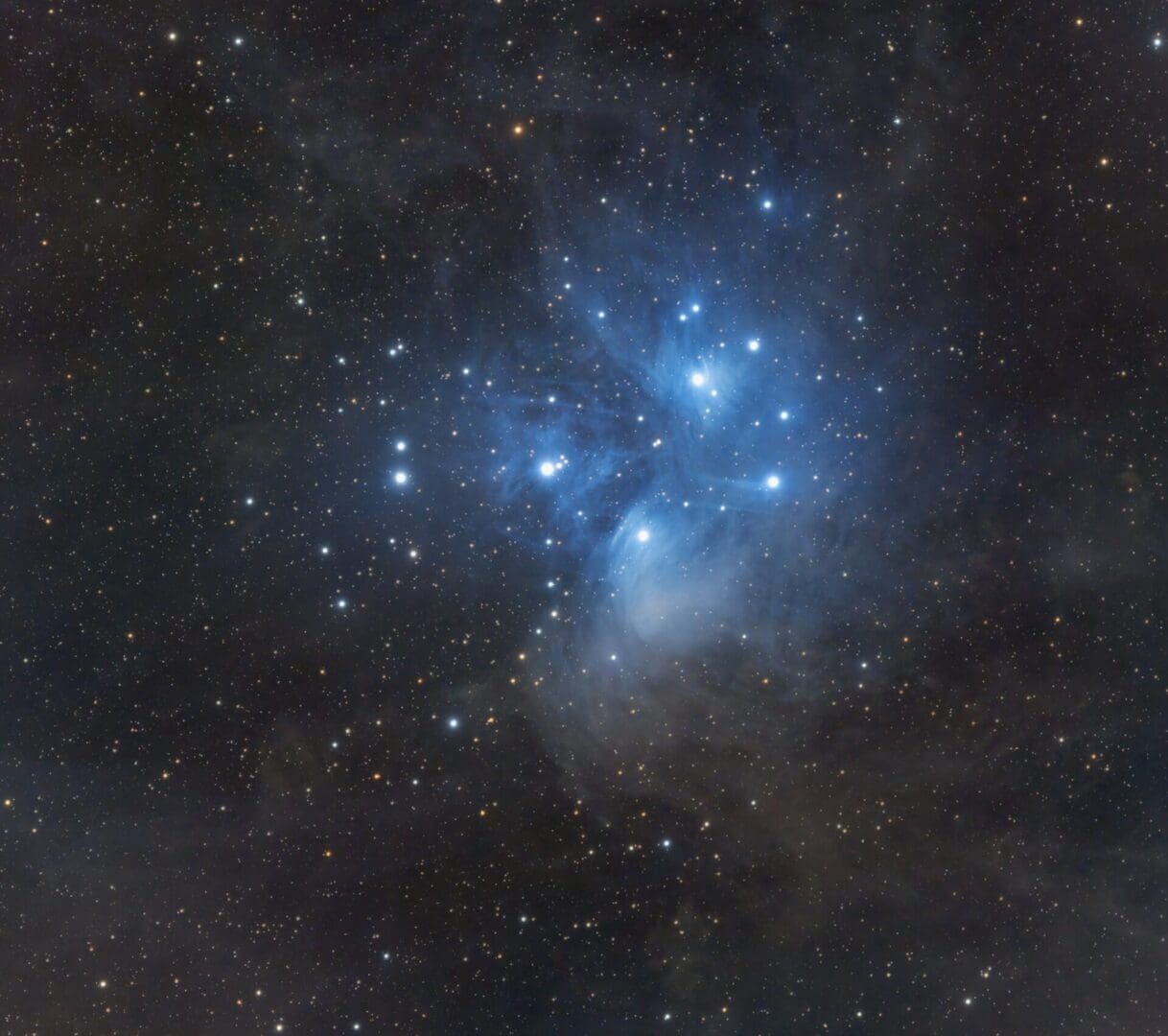
Mastering the Art of Astrophotography
Understanding the Basics of Astrophotography
Astrophotography is the art of capturing celestial objects and cosmic phenomena through a camera. From the Moon’s craters to distant galaxies, this specialized photography requires patience, planning, and the right equipment. Whether you’re a beginner or an enthusiast, mastering the fundamentals is the first step toward breathtaking night sky images.
Choosing the Right Camera for the Job
Your camera type plays a key role in astrophotography quality. DSLRs and mirrorless cameras are popular due to their manual control features and ability to handle long exposures. For deep sky imaging, dedicated astronomy cameras (CMOS or CCD) offer better light sensitivity and detail, especially when paired with the appropriate filters.
Selecting the Best Lens or Telescope
Wide-angle lenses are great for shooting constellations and star trails, while telescopes allow for detailed images of planets, nebulae, and galaxies. When using a telescope for imaging, focal length and aperture are critical. Short focal length scopes offer wider fields of view, perfect for nebulae, while longer focal lengths are better for lunar and planetary photography.
Importance of a Stable Mount
A telescope or camera mount is just as important as the optics. An equatorial mount that tracks the Earth’s rotation can prevent star trails and ensure sharp, long-exposure images. For serious astrophotographers, motorized or GoTo mounts with tracking capabilities are a must.
Mastering Camera Settings for the Night Sky
Manual mode is essential. Use a low ISO setting (e.g., 400–1600) to reduce noise, and experiment with exposure times depending on your target and tracking ability. Keep your aperture wide open (lowest f-number), and use manual focus set to infinity. Always shoot in RAW format to allow greater post-processing flexibility.
Understanding Light Pollution and Location
Light pollution significantly affects astrophotography results. Choose a dark sky site away from urban lights for the clearest images. Tools like light pollution maps or astronomy apps can help you locate ideal shooting spots. Altitude and weather also influence visibility and clarity, so always check forecasts in advance.
Planning Your Shot with Star Maps and Apps
Planning is essential. Apps like Stellarium, Sky Guide, or PhotoPills can help you identify what celestial events or bodies are visible in your location. Know your target in advance, whether it’s the Andromeda Galaxy, a meteor shower, or the phases of the Moon. This helps in preparing your gear and settings properly.
Focusing Techniques for Sharper Images
Achieving precise focus in astrophotography is challenging. Use your camera’s live view mode and zoom in digitally to fine-tune focus on a bright star. Alternatively, a Bahtinov mask—a tool placed over the telescope’s aperture—can help produce perfect focus by showing diffraction patterns that indicate sharpness.
Post-Processing for Professional Results
Raw astrophotos often appear underwhelming straight out of the camera. Post-processing using software like Adobe Photoshop, DeepSkyStacker, or PixInsight can bring out details and colors not visible in the initial shot. Stacking multiple images improves signal-to-noise ratio, while adjustments to contrast, curves, and color balance refine the final image.
Common Challenges and How to Overcome Them
Astrophotography comes with a learning curve. Common issues include star trailing, underexposed images, or sensor noise. Investing in good tracking equipment, using proper calibration frames (darks, flats, and bias), and practicing with different exposure settings can help mitigate these problems over time.
Progressing from Beginner to Intermediate
Once you’re comfortable photographing the Moon and stars, move on to more advanced subjects like galaxies, star clusters, and nebulae. You’ll likely want to explore auto-guiding systems, cooled cameras, and filters for narrowband imaging. Joining an astronomy club or online community can also offer valuable insights and support.
Final Thoughts on Astrophotography
Astrophotography is both a technical and artistic pursuit. With the right gear, planning, and perseverance, even beginners can produce stunning cosmic images. As you progress, you’ll find your skills growing in both photography and astronomy.
Looking for the Right Equipment?
Whether you’re just starting or ready to upgrade your setup, 365 Astronomy Ltd offers a handpicked selection of smart telescopes, mounts, and astrophotography gear tailored for ease of use and performance. Explore the night sky with confidence.